

- Home/
- Buy Furosemide Online in the United States – Fast US Delivery
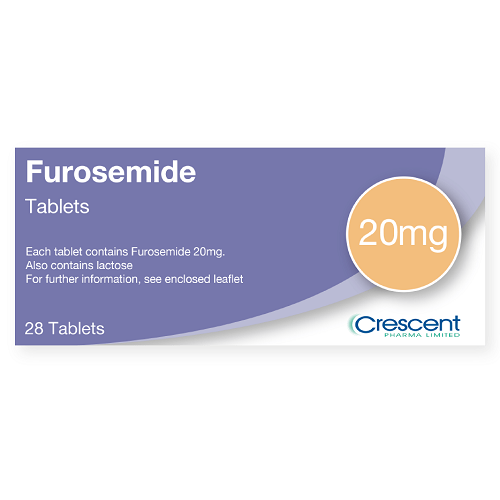
Furosemide in the United States: The Ultimate Patient’s Guide
Can I Get Furosemide Without a Prescription in the US?
No, Furosemide is a prescription-only medication in the United States. It is illegal and potentially unsafe to obtain or use Furosemide without a valid prescription from a licensed healthcare provider. The US Food and Drug Administration (FDA) regulates Furosemide as a prescription drug due to its potency, risk profile, and need for individualized dosing and monitoring.
Summary: Key Facts about Furosemide
| Active Ingredient | Furosemide |
|---|---|
| Drug Class | Loop diuretic (“water pill”) |
| Main Uses | Treatment of edema (fluid retention) due to heart failure, liver disease, kidney disease, and hypertension |
| Prescription Status | Prescription required in the US |
| Onset of Action | Oral: ~1 hour; Intravenous: 5 minutes |
| Duration | 4–8 hours (oral) |
| Main Risks | Dehydration, electrolyte imbalance, low blood pressure |
| Common US Brand Names | Lasix (original); multiple generics available |
Scroll down for a deeper dive into how Furosemide works, safety tips, and how to obtain it legally in the United States.
How Does Furosemide Work? Mechanism and Effects Explained
Furosemide is classified as a loop diuretic. It acts primarily on the ascending limb of the loop of Henle in your kidneys. Here’s what happens:
- Furosemide blocks the Na⁺-K⁺-2Cl⁻ symporter (a type of protein that reabsorbs sodium, potassium, and chloride from urine back into your blood).
- This inhibition leads to increased excretion of sodium, chloride, and water into the urine.
- This results in a rapid reduction of excess fluid (edema) and lowering of blood pressure.
Metaphor: Imagine your kidney as a recycling plant for fluids. Furosemide tells the plant to stop recycling so much salt and water, letting more pass out as urine.
Myth: Furosemide works instantly for everyone.
Reality: Furosemide’s effect depends on kidney function, fluid status, and sometimes takes an hour (by mouth) to kick in.
For more on the science behind loop diuretics, see the References section.
How Should I Take Furosemide? Dosage and Administration
| Indication | Starting Dose (Oral) | Maximum Daily Dose | Special Notes |
|---|---|---|---|
| Edema (Heart Failure, Kidney, Liver) | 20–80 mg once or divided into 2 doses | 600 mg (rare; hospital supervision only) | Adjust to lowest effective dose |
| Hypertension | 40 mg twice daily | As above | Often used with other antihypertensives |
| Children | 1–2 mg/kg (max 6 mg/kg/dose) | See specialist | Pediatrician must direct dosing |
- Administration: Take with or without food. Try to take in the morning to avoid nighttime urination.
- Splitting tablets: Most generic Furosemide tablets can be split, but check your specific product leaflet.
- Missed dose: Skip and resume as scheduled; do not double up doses.
- Peak effect: 1–2 hours for oral dose; lasts 6–8 hours.
Your doctor may adjust your dose based on your kidney function, age, and how your body responds. Elderly and those with liver or kidney issues often start at lower doses.
Furosemide and Food, Alcohol, and Lifestyle: What You Need to Know
- Food:
- Furosemide can be taken with or without food. High-fat meals may delay absorption by about 1 hour but do not reduce total effect.
- Alcohol:
- Combining Furosemide with alcohol can amplify dehydration and drop your blood pressure too low. Recommended: avoid alcohol while taking Furosemide, or discuss with your doctor.
- Grapefruit Juice:
- No evidence of significant interaction, unlike with some other medications.
- Caffeine:
- Caution: both Furosemide and caffeine can increase urine output and risk dehydration.
- Exercise:
- If exercising in hot weather, be mindful of dehydration and electrolyte loss. Hydrate as directed by your healthcare provider.
- Driving and Machinery:
- Some people experience dizziness or fainting, especially at the start of therapy or with dose changes. Do not drive or operate dangerous machinery until you know how Furosemide affects you.
| Product | Can Combine? | Potential Consequence |
|---|---|---|
| NSAIDs (ibuprofen, naproxen) | With caution | May reduce Furosemide effect, increase kidney risk |
| ACE inhibitors | Yes | Monitor for low blood pressure, kidney function |
| Potassium supplements | Often needed | Monitor for too high/low potassium |
| Alcohol | No | Increased risk of dehydration, fainting |
When Should I Avoid Furosemide? Contraindications and Cautions
- Absolute contraindications (never use):
- Severe allergy to Furosemide or sulfa drugs
- Anuria (complete inability to produce urine)
- Severe low potassium or sodium (untreated)
- Hepatic coma (in liver failure), unless directed by a specialist
- Relative contraindications (use only with close monitoring):
- Gout or high uric acid
- Kidney impairment
- Pregnancy and breastfeeding (only if benefits outweigh risks—see special populations)
- Older adults (increased risk of dehydration, falls)
- Diabetes (can raise blood sugar)
If you have recently had a heart attack or acute stroke, your doctor will decide when/if Furosemide can be started again—never self-initiate.
What Side Effects Are Most Common with Furosemide?
| Frequency | Side Effect | Explanation/Advice |
|---|---|---|
| Very common (>1 in 10) | Increased urination, thirst, low potassium/sodium, dizziness (on standing) | Due to fluid/electrolyte loss—monitor labs, stay hydrated |
| Common (1 in 10–100) | Muscle cramps, headache, low blood pressure, increased blood sugar, gout flare | Report muscle cramps, new pain—may need dose change |
| Rare (<1 in 1000) | Hearing loss (at high doses), allergic rash, pancreatitis | Tell your doctor if hearing changes or rash develop |
| Very rare (<1 in 10,000) | Severe allergic reaction, kidney failure, life-threatening arrhythmia | Seek emergency care immediately |
What to do if side effects occur? For mild symptoms: call your doctor. For severe symptoms (difficulty breathing, fainting, swelling of tongue/lips), call 911 or go to the nearest emergency room.
Furosemide vs Other Diuretics: How Does It Compare?
| Drug | Onset (oral) | Duration | Main Uses | Notable Side Effects | Typical Cost (US, 2026) |
|---|---|---|---|---|---|
| Furosemide | ~1 hour | 4–8 hours | Edema, hypertension | Low potassium, dehydration | <$5/month (generic) |
| Torsemide | ~1 hour | 12–16 hours | Edema, hypertension | Similar to Furosemide, longer effect | $10–20/month |
| Bumetanide | 30–60 minutes | 4–6 hours | Edema (more potent per mg) | Similar, higher potency per mg | $10–25/month |
| Hydrochlorothiazide (thiazide) | 2 hours | 12–18 hours | Hypertension (milder edema) | Less rapid electrolyte shifts | <$10/month |
Furosemide in Your Body: Absorption, Metabolism, and Elimination
Absorption: Furosemide is absorbed from the gut at a rate of about 60% (oral bioavailability can vary from 10–100% depending on gut health and other factors). Peak blood levels occur about 1–2 hours after swallowing a tablet.
Metabolism: About half of Furosemide is processed (metabolized) in the liver. The rest is excreted unchanged by the kidneys.
Elimination: Most of the drug leaves your system through the urine. In people with kidney disease, elimination can be slower, and doses may need adjustment.
Half-life (T1/2): Typically 1–2 hours in healthy adults, but up to 24 hours in advanced kidney failure.
In simple terms: Furosemide comes in, works fast, and leaves your system within a day—unless you have severe kidney or liver disease.
How to Obtain Furosemide Legally in the US: Step-by-Step Guide
- Consultation: Schedule an appointment with your primary care doctor, cardiologist, nephrologist, or via a certified telehealth service (available in most states).
- Evaluation: Your provider will review your symptoms, perform necessary lab tests (electrolytes, kidney function), and assess if Furosemide is appropriate.
- Prescription: If indicated, your provider will issue an electronic or paper prescription. It is illegal to purchase Furosemide in the US without a prescription.
- Pharmacy: Take your prescription to a licensed local pharmacy (e.g., Walgreens, CVS, Rite Aid) or a certified online pharmacy verified by the NABP .pharmacy program.
- Insurance: Most US insurance plans (private or Medicare/Medicaid) cover generic Furosemide at low copay; brand-name Lasix may cost more.
- Follow-up: Schedule regular visits and lab monitoring to ensure safety and effectiveness.
Risks of buying from unverified sources: Counterfeit medications, legal penalties, and lack of clinical oversight.
How to Spot Counterfeit Furosemide in the US
- Purchase only from licensed pharmacies bearing the NABP .pharmacy verification mark.
- Original packaging: Should be sealed, with clear branding (e.g., Lasix or generic manufacturer), batch number, and expiration date.
- Tablets: Usually white, round, often scored, and may have manufacturer-specific imprints (e.g., “Lasix 40”).
- Blister packs (if used): Print should be crisp, with no spelling errors or faded ink.
- Some newer generics feature QR codes or holograms; scan as per package instructions to verify authenticity.
- Unusually low price: Often a red flag for counterfeits or substandard drugs.
What Should I Do in Case of Furosemide Overdose?
- Stop taking Furosemide immediately.
- Call 911 or your local emergency number without delay.
- Provide emergency personnel with details: dose taken, time, other medications, any symptoms (fainting, confusion, irregular heartbeat).
- Do not attempt to treat at home. Symptoms of overdose can include severe dizziness, confusion, muscle weakness, or collapse.
Tip: If possible, bring the medication packaging and your prescription with you to the hospital.
Special Considerations: Elderly, Kidney Disease, and Other Groups
- Elderly: Start at lower doses—risk of falls, dehydration, confusion is higher. Monitor blood work more frequently.
- Chronic Kidney Disease (CKD): May require higher doses for effect, but risk of toxicity is also higher. Frequent labs are essential.
- Liver Disease: Used with caution. Rapid fluid shifts can cause or worsen confusion (hepatic encephalopathy).
- Pregnancy and Breastfeeding: Not first-line; use only if absolutely necessary and benefits outweigh risks. Furosemide can pass into breast milk.
- Diabetes: Monitor blood sugars—Furosemide may raise glucose levels.
- Can I drive? If you feel dizzy, weak, or confused, do not drive or use machinery until you feel well.
No clinical studies have shown a direct effect on fertility or family planning, but consult your doctor if you are pregnant, trying to conceive, or breastfeeding.
Original vs Generic Furosemide: What’s the Difference?
- Brand (e.g., Lasix): The original, first FDA-approved product, made by the innovator company. Consistent manufacturing; higher price.
- Generic: FDA-approved equivalents with the same active ingredient, dosage, safety, strength, and performance. Manufactured by multiple companies, typically much cheaper.
- Excipients: Inactive ingredients may vary (e.g., binders, fillers), and rarely, individuals may react to these.
- Packaging: Imprints and appearance may differ, but FDA standards ensure you are getting the same medicine.
Living with Edema: Emotional Support and Next Steps
Edema is a common challenge, affecting millions of Americans with heart, liver, or kidney disease. Needing Furosemide is not a sign of failure—it’s a medical tool to help you live better. If you feel anxious, frustrated, or overwhelmed, know that you are not alone.
Support matters: Talk to your healthcare provider, a support group, or a mental health professional. Sometimes discussing your concerns with trusted friends or family can help. Managing edema is about more than just medication—it’s about quality of life.
Frequently Asked Questions (FAQ)
- Do I need a prescription for Furosemide in the United States?
- Yes. Furosemide is regulated as a prescription drug; using or obtaining it without a medical evaluation is illegal and potentially unsafe.
- How long does Furosemide take to work?
- Most people see an effect within 1 hour after taking it by mouth; intravenous use works within minutes.
- Can Furosemide be taken every day?
- It can be prescribed daily, but only under a doctor’s supervision, with regular monitoring for side effects and lab tests.
- What should I do if I miss a dose?
- Skip the missed dose and continue your regular schedule. Do not take two doses at once.
- What happens if I combine Furosemide with other blood pressure medicines?
- This is common, but you may need more frequent monitoring for low blood pressure or kidney effects. Always follow your doctor’s instructions.
- Is there a difference between Lasix and generic Furosemide?
- Both contain the same active ingredient, but may have different inactive ingredients or packaging. Both are FDA-approved and considered equally effective.
- What’s the average cost of Furosemide in the US?
- Most generic versions cost less than $5–$20 per month, often covered by insurance. Brand-name Lasix is more expensive.
- Can I buy Furosemide online?
- Only from a certified US pharmacy that requires a prescription. Avoid sites that do not require a prescription—these may sell counterfeit drugs and put your health at risk.
- What alternatives exist if Furosemide doesn’t work or is not tolerated?
- Other loop diuretics (bumetanide, torsemide) or thiazide-type diuretics may be considered. Your doctor will choose based on your clinical profile.
References
- FDA. “Lasix (Furosemide) Label Information.” US Food and Drug Administration, Accessed June 2026. Lasix FDA Label
- National Institutes of Health. “Furosemide: MedlinePlus Drug Information,” Updated 2026. MedlinePlus Furosemide
- American Heart Association. “Management of Edema in Heart Failure: 2025 Update.” AHA Heart Failure Treatment
- KDIGO. “2025 Clinical Practice Guideline for Management of Edema in Chronic Kidney Disease.” KDIGO Guidelines
- Packer M, et al. “Loop Diuretics in Heart Failure: Current Use, Risks, and Monitoring.” J Am Coll Cardiol. 2024; 83(5): 1124-1138. PubMed Study
- National Association of Boards of Pharmacy. “.Pharmacy Accredited Websites.” Accessed June 2026. NABP Accredited Pharmacies