

- Home/
- Buy Ivermectin Online in the United States Safely and Easily
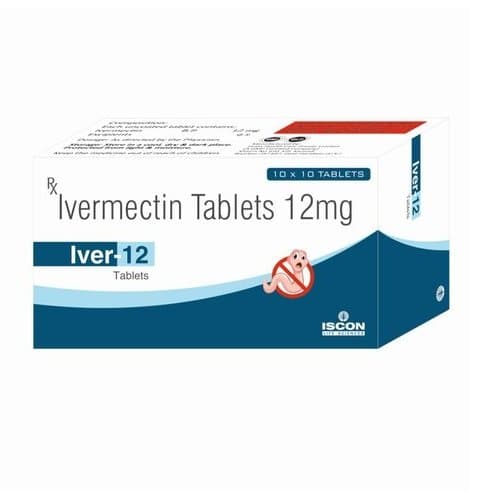
Can Ivermectin Be Obtained Without a Prescription in the United States?
No, Ivermectin cannot be legally obtained in the United States without a valid prescription from a licensed healthcare provider. The U.S. Food and Drug Administration (FDA) classifies Ivermectin for human use as a prescription-only medication. Obtaining it without a prescription is illegal and potentially unsafe. Always consult a qualified healthcare professional before starting any medication.
Ivermectin: Key Facts at a Glance
| Parameter | Details (2026, United States) |
|---|---|
| Active Ingredient | Ivermectin |
| Main Uses | Treatment of parasitic infections (e.g., strongyloidiasis, onchocerciasis, scabies, lice) |
| Prescription Requirement | Yes (required by law) |
| Onset of Action | Varies by indication (typically within 1–2 days) |
| Main Contraindication | Hypersensitivity to Ivermectin or excipients |
| FDA Approval Status | Approved for human use with specific indications |
| Generic Availability | Yes |
| Insurance Coverage | Often covered for FDA-approved uses (check with your provider) |
How Does Ivermectin Work in the Body?
Ivermectin is a broad-spectrum antiparasitic agent that targets specific parasites by disrupting their nervous system. It binds with high affinity to glutamate-gated chloride channels in the nerve and muscle cells of invertebrates. This increases permeability of the cell membrane to chloride ions, leading to paralysis and eventual death of the parasite.
In plain terms, Ivermectin essentially “short-circuits” the parasite’s nervous system, which halts its ability to feed or reproduce inside your body.
- Biochemical Target:
- Glutamate-gated chloride ion channels (unique to parasites, absent in humans)
- Effect in Humans:
- Very limited penetration into the human central nervous system due to the blood-brain barrier
- Conditions for Effectiveness:
- Ivermectin does not require other drugs or specific triggers to work, but must be used as prescribed for the target infection
Myth vs Reality: “Ivermectin can treat any viral illness.”
Reality: Regulatory agencies, including the FDA and CDC, have not approved Ivermectin for the treatment or prevention of COVID-19 or other viral illnesses as of 2026. No high-quality clinical studies confirm efficacy against viruses.
How to Properly Use Ivermectin: Dosage, Timing, and Duration
The appropriate Ivermectin dosage varies by condition, age, and patient weight. Always follow your doctor’s instructions.
- Standard adult dose for strongyloidiasis or onchocerciasis: 150–200 micrograms per kilogram of body weight as a single dose. Repeat dosing may be required for some infections.
- Scabies/lice: Often, 200 micrograms/kg as a single dose, with a second dose 7–14 days later.
- Maximum daily dose: Do not exceed the prescribed dose. Overdose is dangerous.
- Special populations: Dose adjustment may be necessary for elderly patients or those with liver impairment. Ivermectin is generally not recommended for children under 15 kg or pregnant women unless specifically indicated.
- Tablet splitting: Some generic formulations may be split; check with your pharmacist. Never split coated or sustained-release formulations unless directed.
Peak effect: Most patients experience symptom improvement within 1–2 days for lice or scabies, but some conditions (e.g., onchocerciasis) may take weeks for full benefit.
Patient quote: “I took Ivermectin for scabies as prescribed — the itching started to improve after two days, but my doctor told me to follow up in a week for a repeat dose.”
Ivermectin, Food, and Lifestyle: What You Need to Know
Should Ivermectin be taken with food?
- Fatty meals: Taking Ivermectin with high-fat meals increases absorption and may raise blood levels. This can be beneficial in some cases but also increases the risk of side effects. Most guidelines recommend taking Ivermectin on an empty stomach (at least 1 hour before or 2 hours after a meal).
- Alcohol: There are no direct interactions between Ivermectin and alcohol, but alcohol use may worsen side effects such as dizziness or drowsiness. It’s safest to avoid alcohol while on this medication.
- Grapefruit juice: No significant evidence suggests a clinically relevant interaction between Ivermectin and grapefruit juice, but caution is advised due to theoretical risks of increased drug levels.
| Product | Can It Be Combined? | Consequences |
|---|---|---|
| Alcohol | Discouraged | May increase dizziness/drowsiness |
| Fatty Food | Not recommended | Increases absorption and side effects |
| Grapefruit Juice | Unclear | Theoretical risk of higher drug levels |
| Common OTC Painkillers (e.g., acetaminophen) | Yes | No significant interaction |
Absolute and Relative Contraindications: Who Should Avoid Ivermectin?
Absolute Contraindications (Never Use):
- Known hypersensitivity to Ivermectin or any component of the formulation
- Children under 15 kg body weight (safety not established)
Relative Contraindications (Use Only Under Strict Medical Supervision):
- Pregnancy and breastfeeding (not recommended unless benefits outweigh risks)
- Severe liver impairment (risk of elevated drug levels)
- Meningitis or other central nervous system disorders (may increase risk of neurotoxicity)
- Elderly with multiple comorbidities (higher risk of side effects)
Why? Ivermectin can cross the blood-brain barrier in situations of severe infection or CNS compromise, potentially causing neurologic side effects.
Cardiovascular risks: Very rare, but high doses may cause blood pressure changes. Use with caution in patients with cardiac disease.
What Side Effects Are Most Common with Ivermectin?
- Very common (>1 in 10):
-
- Headache
- Dizziness
- Muscle pain
- Common (1 in 100 to 1 in 10):
-
- Nausea, diarrhea, stomach pain
- Fatigue
- Fever (especially with parasite die-off)
- Rash or mild skin reactions
- Rare (1 in 1,000 to 1 in 100):
-
- Swelling of the face or limbs
- Visual disturbances
- Severe skin reactions
- Very rare (<1 in 1,000):
-
- Seizures
- Severe allergic reactions (anaphylaxis)
Mechanism: Most side effects are due to either the direct effects of Ivermectin on human tissues at high doses or the body’s immune response to dying parasites.
What should you do if you experience side effects?
For mild symptoms (headache, nausea), rest and hydration are usually sufficient. For severe reactions (swelling, difficulty breathing, sudden vision loss), seek emergency medical care immediately.
How Does Ivermectin Compare with Alternatives?
| Drug | Indications | Onset | Duration | Cost per Dose* | Side Effect Profile |
|---|---|---|---|---|---|
| Ivermectin | Strongyloidiasis, scabies, lice, onchocerciasis | 1–2 days | Several days | $2–$8 | Mild to moderate, rare severe reactions |
| Albendazole | Broad helminths, neurocysticercosis | ~1 day | Wide range | $3–$10 | Gastrointestinal upset, liver enzyme changes |
| Mebendazole | Pinworm, whipworm, roundworm | ~1 day | Short | $1–$5 | Minimal, occasional rash |
*Average out-of-pocket price in the US as of 2026. Prices may vary by pharmacy and insurance coverage.
Bottom line: Ivermectin offers broad-spectrum effectiveness for certain parasites and is usually well-tolerated, but alternatives may be preferred for specific infections or in patients with particular risk factors.
Ivermectin: Key Clinical Data Table
| Parameter | Typical Range / Value | Notes |
|---|---|---|
| Standard Adult Dose | 150–200 mcg/kg (single, sometimes repeat dose) | Dose may vary by indication |
| Bioavailability | ~60% (oral, fasting) | Increased if taken with fatty meals |
| Time to Peak Plasma | 4–5 hours | Oral administration |
| Half-life (T1/2) | ~18 hours | Can be longer in elderly or liver impairment |
| Route of Metabolism | Liver (CYP3A4) | P450 enzyme system |
| Excretion | Primarily feces, minimal via urine | Renal impairment generally does not require adjustment |
| Driving Restriction | None officially, but caution advised with drowsiness | Wait until you know how you react |
Step-by-Step: How to Obtain Ivermectin Legally in the United States
- Consultation: Schedule an appointment with a licensed healthcare provider (MD, DO, NP, or PA) in your state. Many clinics and telehealth platforms offer same-day or next-day consultations.
- Diagnosis: Undergo a medical evaluation to confirm the parasitic infection for which Ivermectin is indicated.
- Prescription: If appropriate, your provider will submit an electronic prescription to a local or mail-order pharmacy.
- Pharmacy Pickup or Delivery: Present a valid photo ID at the pharmacy. Many US pharmacies and accredited online services offer home delivery for prescriptions.
- Insurance: Check with your insurer for coverage. Medicaid, Medicare, and most private plans reimburse Ivermectin when used for FDA-approved indications.
- Follow-up: Schedule a follow-up appointment if symptoms persist or for repeat dosing per your provider’s instructions.
Telemedicine Option: In most US states, it is legal to consult with a healthcare provider via telehealth for parasitic conditions. The prescription process is similar, but always confirm the platform is licensed and secure.
Buying Ivermectin Online in the US: Legal Pathways and Red Flags
In the United States, it is only legal to obtain Ivermectin from a licensed pharmacy with a valid prescription.
- Legitimate US online pharmacies require a prescription and display accreditation via the NABP .Pharmacy Verified Websites Program.
- Websites that sell Ivermectin without a prescription are illegal and may sell counterfeit or unsafe products. US Customs and FDA may seize such shipments.
- Prescription requirements protect you from dosing errors, dangerous interactions, and fake drugs.
Warning: If a pharmacy offers Ivermectin with no prescription, exceptionally low prices, or ships from outside the US, it is likely illegal and unsafe.
What about veterinary Ivermectin? Never use animal formulations for human treatment. Animal Ivermectin products are not evaluated for human safety, dosage, or purity.
How to Identify Authentic Ivermectin and Avoid Counterfeits
- Packaging: Authentic Ivermectin in the US comes in branded or generic blister packs or bottles, with clear labeling, batch number, expiration date, and a US NDC (National Drug Code) number.
- Physical characteristics: Tablet color, size, and markings should match the product information from your pharmacist. Most original tablets are white or off-white, round or oval, engraved with the manufacturer’s code.
- Price check: Unusually low prices are a warning sign of possible counterfeit or non-equivalent products.
- QR codes and holograms: Some major manufacturers include QR codes or holographic seals for authenticity. Ask your pharmacist if unsure.
| Type | FDA Approval | Appearance | Excipient variation | Cost |
|---|---|---|---|---|
| Original (Brand) | Yes | Manufacturer-specific, always labeled | Standardized | Higher |
| Generic | Yes | Color/shape may differ, but NDC present | May vary, check for allergies | Lower |
What are excipients? These are inactive ingredients (binders, fillers, dyes) that can rarely cause allergic reactions. If you’re allergic to specific excipients, ask your pharmacist for a detailed list for your generic.
Cautions for Special Populations: Age, Pregnancy, and Chronic Conditions
- Children:
- Use in children under 15 kg is not recommended. Dosing in adolescents should be weight-based and supervised by a pediatrician.
- Pregnancy:
- Animal studies suggest risk to the fetus; use only if benefits outweigh risks. Generally avoided during the first trimester.
- Breastfeeding:
- Excreted in small amounts in breast milk. Discuss with your doctor before use.
- Elderly:
- May be more sensitive to side effects; monitor closely for dizziness, blood pressure changes, or confusion.
- Liver impairment:
- Metabolized in the liver—use with caution. Lower or less frequent dosing may be needed.
- Renal impairment:
- Mostly excreted in feces, so dose adjustment is rarely necessary.
- Driving and machinery:
- Ivermectin may cause drowsiness or dizziness. Avoid driving until you know how you react.
- Fertility:
- No human data show an effect on fertility, but animal studies suggest minimal risk at therapeutic doses.
Empathetic note: If you’re struggling with a parasitic infection, know that it’s common and treatable. Don’t hesitate to discuss your concerns openly with your doctor or pharmacist.
What to Do in Case of Ivermectin Overdose
- Stop taking Ivermectin immediately.
- Call emergency services (911) or go to the nearest emergency room.
- Inform medical personnel exactly how much Ivermectin you took and when.
- Bring the medication packaging if possible.
- Avoid inducing vomiting unless instructed by Poison Control or a clinician.
Symptoms of overdose: Nausea, vomiting, abdominal pain, confusion, vision changes, difficulty breathing, loss of consciousness, or seizures.
Fast tip: If in doubt, call the Poison Help line (1-800-222-1222) for immediate advice.
Frequently Asked Questions about Ivermectin
- Is Ivermectin safe for long-term use in the United States?
- Ivermectin is not intended for long-term or repeated use except under strict medical supervision for chronic infections. Safety for extended use is not well established.
- Can Ivermectin treat viral diseases such as COVID-19?
- No. Current FDA and CDC guidelines do not support Ivermectin for prevention or treatment of viral infections, including COVID-19, outside of clinical trials.
- How quickly does Ivermectin work?
- Most patients see improvement within 1–2 days for infestations like lice or scabies. Full symptom resolution may take longer for deeper or chronic infections.
- Can Ivermectin be used during pregnancy?
- Use during pregnancy is generally avoided unless the potential benefit outweighs the risk. Always discuss with your doctor.
- Is a prescription required to buy Ivermectin in the US?
- Yes, a valid prescription is legally required for human use.
- Are generics as effective as the original brand?
- Yes. FDA-approved generics contain the same active ingredient and are held to the same efficacy and safety standards.
- What should I do if I miss a dose?
- Take it as soon as you remember, unless it’s almost time for your next dose. Never double up doses without medical advice.
- Can Ivermectin be used for animals and humans interchangeably?
- No. Animal formulations are not evaluated for human safety, dosing, or purity and should never be used in humans.
References
- Food and Drug Administration. Ivermectin: FDA Safety and Use Information. Accessed June 2026.
- Centers for Disease Control and Prevention. Strongyloidiasis Treatment Guidance. Accessed June 2026.
- Blaise D, et al. “Pharmacokinetics and Safety of Ivermectin in Humans: Updated Review.” Clin Infect Dis. 2024; DOI: 10.1093/cid/ciaa843.
- World Health Organization. WHO Model List of Essential Medicines: Ivermectin. Accessed June 2026.
- PubMed. Recent Clinical Trials on Ivermectin Use. Accessed June 2026.
- National Association of Boards of Pharmacy. Safe Pharmacy Verification Tools. Accessed June 2026.