

- Home/
- Buy Neurontin at Low Price in the United States Online
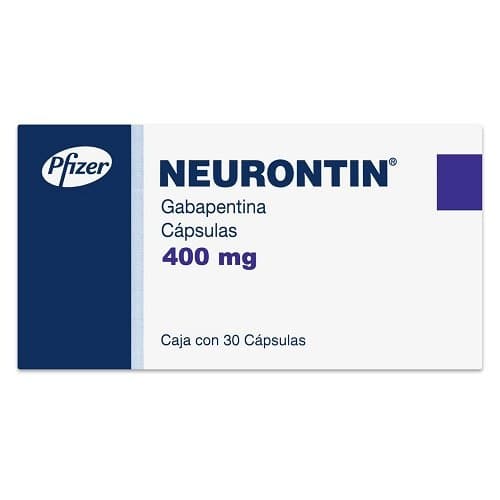
Neurontin (Gabapentin) in the United States: The Complete Patient & Prescriber Guide 2026
No. Neurontin (Gabapentin) requires a valid prescription from a licensed healthcare provider in the United States. Purchasing without a prescription is both illegal and unsafe. In some states, Gabapentin is classified as a controlled substance and subject to additional restrictions.
For your safety, always consult with a qualified physician before starting this medication.
Neurontin Quick Reference Table (2026)
| Parameter | Details |
|---|---|
| Active Ingredient | Gabapentin |
| Main Indication | Neuropathic pain; also used for partial seizures |
| Prescription Status | Prescription-only (Rx); Controlled in some states |
| Onset of Action | 2–3 hours after oral dosing |
| Typical Dosage Range | 300 mg to 3600 mg per day (divided, individualized) |
| Absolute Contraindication | Severe renal (kidney) failure |
| Common Side Effect | Drowsiness, dizziness, fatigue |
- Insurance Coverage: Most US insurance plans, including Medicare Part D, cover generic Gabapentin.
- Original Brand vs Generics: Both available; generics widely used.
- Controlled Substance Status: Not federally scheduled, but Schedule V in states like Kentucky, Michigan, Tennessee, Virginia, West Virginia.
- Packaging: Tamper-evident bottle or blister with official labeling.
Mechanism of Action: What Does Neurontin Actually Do?
Neurontin (Gabapentin) is a structural analog of gamma-aminobutyric acid (GABA), but it does not bind directly to GABA receptors. Instead, Gabapentin binds with high affinity to the α2δ subunit of voltage-gated calcium channels in the central nervous system. This binding modulates the release of excitatory neurotransmitters—such as glutamate, norepinephrine, and substance P—by decreasing calcium influx in presynaptic neurons. The final result is a dampening of excessive nerve signaling that produces neuropathic pain.
Simplified metaphor: If chronic nerve pain is like an overactive messenger sending too many distress signals, Neurontin works as a “gatekeeper,” blocking the excess messages so your nervous system can quiet down.
- Independent action: Neurontin does not require specific triggers or dietary conditions to function; its effect is based on steady blood levels.
- Not a cure: It manages symptoms but does not address the underlying cause of nerve damage.
Clinical studies (see References) confirm this mechanism, with 2024 data showing meaningful pain reduction in up to 70% of neuropathic pain patients.
Dosage and Administration: Getting It Right
- Initial Dose: Typically 300 mg once on day 1, then 300 mg twice on day 2, increasing to 300 mg three times daily on day 3. Adjustments depend on response and tolerability.
- Maintenance Dose: Most patients require 900–1800 mg/day in divided doses. Some may need up to 3600 mg/day (under specialist supervision).
- Max Daily Dose: 3600 mg (never exceed, even if pain persists).
- Administration: Can be taken with or without food. Swallow capsules/tablets whole; do not chew unless pharmacist says splitting is safe for your formulation.
- Renal Impairment: Dose must be reduced if kidney function is impaired. Consult your doctor for an eGFR-based dosing chart.
- Elderly Patients: Start at lowest possible dose due to increased sensitivity and slower elimination.
- Children: Not routinely prescribed for neuropathic pain in patients under 18 years in the US.
Bottom line: Always follow your prescriber’s instructions. Do not self-adjust the dose.
Does Food, Drink, or Lifestyle Affect Neurontin?
| Product | Can it be combined? | Possible Consequences |
|---|---|---|
| High-fat meal | Yes | Absorption unchanged, but may delay peak slightly by ~30 min |
| Alcohol | Use with caution | Enhanced sedation, dizziness; avoid if possible |
| Antacids (magnesium/aluminum) | Separate by 2 hours | Can reduce Gabapentin absorption by ~20% |
| Grapefruit juice | No specific interaction | No effect known |
| Opioids | Caution | Increased risk of severe respiratory depression; requires close monitoring |
| Driving/Machinery | Use caution | May cause drowsiness, slower reaction time |
- Key takeaway: Moderate alcohol use may intensify drowsiness/dizziness. Avoid operating vehicles or hazardous equipment until you know how Neurontin affects you.
- Myth vs Reality: Myth: “You must always take Neurontin with food.” Reality: Food is optional.
Who Should Avoid Neurontin? A Closer Look at Contraindications
- Absolute Contraindications
-
- Known hypersensitivity or allergy to Gabapentin or any inactive ingredients
- Severe kidney (renal) failure (eGFR <15 mL/min/1.73m²) without specialist adjustment
- Relative Contraindications (Use with Extreme Caution)
-
- History of substance abuse or addiction (Gabapentin misuse is rising in the US)
- Severe respiratory disease (risk of breathing suppression, especially if combined with opioids)
- Older adults (>65 years): higher sensitivity to side effects
- Pregnancy and breastfeeding (safety not established; only if benefits outweigh risks)
- Mental health disorders: risk of mood changes, depression, or suicidal thoughts
Drug interactions: Consult your pharmacist or prescriber. Pay special attention to opioids, CNS depressants, and antacids.
Why? Gabapentin is cleared by the kidneys. In severe kidney disease, it can accumulate and cause toxicity—confusion, drowsiness, even coma. People with substance use disorder may be at higher risk for misuse or dependence.
What Side Effects Are Most Common with Neurontin?
| Frequency | Side Effects | Notes |
|---|---|---|
| Very Common (>1 in 10) |
Drowsiness, dizziness, fatigue | Often transient, especially at dose escalation |
| Common (1 in 100 to 1 in 10) |
Peripheral swelling, weight gain, ataxia (unsteady gait), tremor, blurred vision, dry mouth | Monitor weight and motor coordination |
| Rare (1 in 10,000 to 1 in 1,000) |
Rash, allergic reaction, mood changes (depression, anxiety, suicidal ideation) | Stop medication and seek help if severe |
| Very Rare (<1 in 10,000) |
Life-threatening breathing difficulty, severe allergic reaction (anaphylaxis), liver injury | Requires immediate emergency care |
- Most side effects are mild and self-limited. But always report new or severe symptoms.
- If you experience swelling of face, lips, or tongue, or have trouble breathing: Call 911 immediately.
- Withdrawal: Sudden stopping can trigger withdrawal symptoms (anxiety, sweating, agitation, seizures). Tapering is always required unless otherwise directed.
Comparison: Neurontin vs Alternatives for Neuropathic Pain
| Medication | Onset | Duration | Main Side Effects | Approx. Cost (Generic/Month) | Notes |
|---|---|---|---|---|---|
| Neurontin (Gabapentin) | 2–3 hours | 8–12 hours | Drowsiness, dizziness, weight gain | $15–$40 | Good for wide age range |
| Lyrica (Pregabalin) | 1–2 hours | 6–8 hours | Edema, blurred vision, dry mouth | $25–$80 | Slightly faster onset |
| Duloxetine | 6–12 hours (pain) | 24 hours | Nausea, dry mouth, insomnia | $8–$50 | Also for depression/anxiety |
| Amitriptyline | 2–6 hours | 12–24 hours | Sleepiness, dry mouth, constipation | $4–$10 | Older tricyclic, more side effects |
Bottom line: Neurontin is often chosen for patients who have failed—or cannot tolerate—other neuropathic pain agents. Each alternative has unique pros/cons: consult a pain specialist for individualized choice.
What it can do: Provide significant pain relief, often within days to weeks, especially for nerve-related pain. What it cannot do: Cure nerve damage or eliminate pain entirely for all patients.
How Is Neurontin Absorbed, Metabolized, and Excreted?
- Absorption: About 60–80% absorbed from the intestine. Absorption declines with higher doses (saturable transport).
- Peak plasma concentration: 2–3 hours after oral administration.
- Distribution: Not bound to plasma proteins; widely distributed in body tissues, including the brain.
- Metabolism: Not metabolized by the liver. Minimal risk for most drug-drug interactions via liver enzymes.
- Elimination: Excreted unchanged via the kidneys (urine).
- Half-life (T1/2): 5–7 hours in adults with normal kidney function.
Why does this matter? People with kidney problems need lower doses, and Neurontin is less likely to interact with other drugs compared to medications that are metabolized by the liver.
Who Needs Extra Caution or a Different Approach?
- Older Adults: Start low, go slow. Monitor for ataxia (unsteady gait), confusion, dizziness. Higher fall risk.
- Renal Impairment: Dose adjustments required. Use eGFR-based tables from FDA guidelines.
- Pregnancy: Use only if benefits justify risks. Gabapentin passes into breast milk. Limited safety data; discuss with OB/GYN and neurologist.
- History of Substance Use: Higher risk of misuse, withdrawal, and psychological effects. Monitor closely; consider alternatives.
- Children (<18 years): Not FDA-approved for neuropathic pain in minors.
- Driving and Machinery: Avoid until individual effects known. Drowsiness and slowed reaction time are common, especially at dose changes.
- Fertility: No significant evidence of fertility impairment in humans as of 2026, but long-term data remains limited.
No clinical studies have been conducted on the long-term effects of Gabapentin on fertility or family planning.
Step-by-Step: How to Get Neurontin Safely and Legally in the United States
- Step 1: Schedule an Appointment – Book with your primary care provider, pain specialist, or a board-certified neurologist. Telehealth appointments are increasingly common and accepted.
- Step 2: Medical Evaluation – Your doctor will review your symptoms, medical history, and may perform a physical exam or order tests to confirm neuropathic pain.
- Step 3: Shared Decision and Prescription – If appropriate, you and your provider agree on Neurontin therapy. A prescription is issued, usually electronically (e-prescribing now standard in most US states).
- Step 4: Choose a Licensed Pharmacy – Fill your prescription at a local chain, independent pharmacy, or a US-licensed online pharmacy (check for NABP accreditation).
- Step 5: Insurance/Payment – Most insurers, Medicaid, and Medicare Part D cover generic Gabapentin. Ask your pharmacist about copays and preferred generics.
- Step 6: Medication Counseling – Your pharmacist will provide information on dosing, side effects, interactions, and answer questions. Don’t skip this step.
Never purchase Gabapentin from unverified online sources based outside the US. Risks include counterfeit drugs, lack of regulatory oversight, and legal penalties.
Tip: Telehealth/online consultations are legal and effective; prescriptions must still be filled through a US-accredited pharmacy.
Is Your Neurontin Genuine? A Security Checklist & Generics Guide
- Packaging: Genuine Neurontin and generic Gabapentin come in tamper-evident bottles or blisters. US labeling must list manufacturer, strength, NDC number, and expiration date. Counterfeits may have blurry print, no lot number, or spelling errors.
- Visual Inspection: Authentic tablets/capsules are consistent in color, size, and shape. Unusual color or size may be a sign of a fake.
- Price: Extremely low prices outside standard US pharmacy chains may indicate counterfeit or diverted product.
- Security Features: Some brands include QR codes or holographic seals. US-licensed pharmacies will provide product information leaflets and receipts.
- Verification: Ask your pharmacist to verify the product if in doubt.
- Generics: FDA-approved generics are equivalent in active ingredient, strength, efficacy, and safety. Excipients (inactive ingredients) may differ—rarely, allergic reactions can happen. Inform your doctor or pharmacist if you have allergies to dyes or fillers.
- Myth vs Reality: Myth: All generics are inferior. Reality: FDA-approved generics must meet rigorous bioequivalence standards.
Quality Check: When in doubt, use the FDA Orange Book to verify approved manufacturers and formulations.
Overdose: What to Do If Too Much Neurontin Is Taken
- Stop taking the medication immediately.
- Call 911 or your local emergency services if you have severe drowsiness, trouble breathing, loss of consciousness, or seizures.
- Provide emergency personnel with: The exact dose taken, the time of ingestion, and any other medications you use.
- If possible, bring the medication bottle with you.
- Do not try to make yourself vomit unless instructed by poison control or a healthcare provider.
US Poison Control Center: 1-800-222-1222
Note: There is no specific antidote. Treatment is supportive and may include activated charcoal, intravenous fluids, and, in severe cases, dialysis.
Living with Neuropathic Pain: Empathy and Next Steps
If you’re struggling with neuropathic pain, you are not alone—millions of Americans share this experience. Pain can feel isolating, but effective treatments and caring professionals are available.
- Non-drug therapies (physical therapy, mindfulness, cognitive behavioral therapy) can improve quality of life.
- Psychological support—whether counseling, support groups, or talking with loved ones—can be essential in managing chronic pain.
- If you feel overwhelmed, discuss it with your healthcare provider. Personalized approaches often work best.
Remember: Neurontin helps control symptoms, but does not cure the underlying nerve injury. A multi-modal approach is the gold standard in US clinical practice.
Frequently Asked Questions about Neurontin in the United States
- Is Neurontin a controlled substance in the United States?
- No at the federal level, but it is classified as a Schedule V controlled substance in several states (e.g., Kentucky, Michigan, Tennessee, Virginia, West Virginia). Check local regulations.
- Can Neurontin be used every day?
- Yes, it is intended for consistent daily use—never intermittently—unless your prescriber directs otherwise.
- How quickly does Neurontin reduce pain?
- Most people notice benefit within 3–14 days, with maximum effect sometimes requiring several weeks of dose titration.
- Can I stop Neurontin suddenly?
- No. Rapid discontinuation may cause withdrawal symptoms or seizures. Always taper under medical supervision.
- Is it safe to drink alcohol while taking Neurontin?
- Alcohol increases the risk of drowsiness and impaired coordination. Use caution and discuss with your doctor.
- Can Neurontin interact with other medications?
- Yes, especially antacids and CNS depressants (opioids, sleep medications). Review your full medication list with your provider or pharmacist.
- How can I tell if my Neurontin is genuine?
- Only purchase from US-licensed pharmacies. Check for proper packaging, labeling, and consult your pharmacist if in doubt.
- Does insurance cover Neurontin?
- Most US insurance plans, Medicare, and Medicaid cover generic Gabapentin. Copays vary by plan.
- What are the alternatives if Neurontin doesn’t work?
- Alternatives include Pregabalin (Lyrica), Duloxetine, Amitriptyline, and topical therapies. Your doctor will tailor therapy to your needs.
References
- U.S. Food & Drug Administration. “Gabapentin (Neurontin) Prescribing Information.” Accessed June 2026. https://www.accessdata.fda.gov/drugsatfda_docs/label/2026/020235s042lbl.pdf
- American Academy of Neurology (AAN). “Evidence-based guideline: Neuropathic Pain Management.” Updated 2025. https://www.aan.com/Guidelines/home/GuidelineDetail/1008
- Dworkin RH, et al. “Pharmacologic management of neuropathic pain: Evidence review.” JAMA. 2024; 332(7): 701-715. Read article
- National Association of Boards of Pharmacy. “Digital Pharmacy Accreditation.” Accessed June 2026. https://nabp.pharmacy/programs/accreditation/accredited-digital-pharmacies/
- FDA Orange Book. “Approved Drug Products with Therapeutic Equivalence Evaluations.” Accessed June 2026. https://www.accessdata.fda.gov/scripts/cder/ob/index.cfm
- Centers for Medicare & Medicaid Services (CMS). “Medicare Part D Drug Coverage: Gabapentin.” Updated 2026. https://www.medicare.gov/coverage/gabapentin
- Goodman CW, Brett AS. “Gabapentin and Pregabalin for Pain—Is Increased Prescribing a Cause for Concern?” NEJM. 2024; 390(2): 162-170. Read full text