

- Home/
- Buy Prednisolone Without Prescription in the United States Online
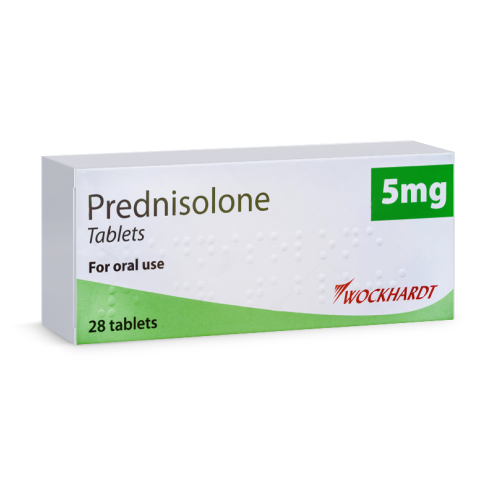
Prednisolone in the United States: Comprehensive Guide for Safe Use, Access, and Clinical Experience
Can Prednisolone Be Purchased Without a Prescription in the United States?
No, Prednisolone cannot be legally purchased in the United States without a valid prescription from a licensed healthcare provider. The U.S. Food and Drug Administration (FDA) classifies Prednisolone as a prescription-only corticosteroid. Selling or buying it without a prescription is both illegal and unsafe due to risks of misuse, counterfeit drugs, and potential health complications.
Quick Facts: Prednisolone at a Glance
| Feature | Details (U.S. context, 2026) |
|---|---|
| Active Ingredient | Prednisolone |
| Prescription Required? | Yes |
| Drug Class | Glucocorticoid (Corticosteroid) |
| Main Uses | Inflammation, autoimmune diseases, allergic reactions, asthma, certain cancers |
| Typical Onset | Within hours (varies by condition and administration route) |
| Absolute Contraindications | Systemic fungal infections, known allergy to Prednisolone |
| Common Side Effects | Increased appetite, mood changes, insomnia, elevated blood sugar, risk of infection |
| Insurance Coverage | Typically covered by most U.S. health plans (check formulary status) |
How Does Prednisolone Work? (Pharmacological Mechanism Explained)
Prednisolone is a synthetic glucocorticoid, a class of steroid hormones. It binds to the glucocorticoid receptor in your cells, then moves into the cell nucleus to alter the expression of genes involved in inflammation and immune response. This action downregulates pro-inflammatory cytokines (like interleukin-1, interleukin-6, and tumor necrosis factor-alpha) and reduces the production of inflammatory mediators such as prostaglandins and leukotrienes.
For example, in asthma, Prednisolone suppresses airway inflammation, decreasing mucous production and swelling. In autoimmune diseases, it dampens the overactive immune response that attacks the body’s own tissues.
Simplified Explanation: Think of Prednisolone as a volume dial on your immune system—when inflammation is dangerously loud, it turns the volume down to stop damage.
Myth vs Reality: Myth: Prednisolone cures the underlying disease. Reality: It controls symptoms by reducing inflammation, but does not address underlying causes in most chronic conditions.
Prednisolone Dosage: How, When, and How Much?
- Typical Starting Dose: Varies by condition; for adults, often 5–60 mg per day in divided doses or a single morning dose.
- Maximum Daily Dose: Generally should not exceed 80 mg/day in outpatient settings, unless under close specialist supervision.
- Tapering: Do not stop abruptly after prolonged use (usually >2 weeks). Dose must be gradually reduced to prevent adrenal insufficiency.
- Special Populations:
- Elderly: Start at the lower end of the dose range; monitor for side effects.
- Children: Dosage is weight-based; strict specialist oversight required.
- Liver/Kidney Impairment: May require adjusted dosing—consult your prescriber.
- Formulations: Tablets, oral solution, eye drops, injection (each with specific dosing guidelines).
- Splitting Tablets: Scored tablets can usually be split; check specific brand instructions.
- Peak Effect: Most anti-inflammatory effects begin within 1–2 hours of oral administration, but full benefits may require several days of therapy.
Food, Alcohol, and Lifestyle: What Interacts With Prednisolone?
| Substance | Is it safe with Prednisolone? | Potential Consequence |
|---|---|---|
| Food (general) | Yes | Reduces gastrointestinal irritation; take with food to minimize stomach upset |
| Fatty Meals | Yes | Minimal impact on absorption; may delay onset by 15–30 minutes |
| Alcohol | Limit/avoid | Increases risk for stomach ulcers, GI bleeding, mood swings |
| Grapefruit Juice | Caution | May alter metabolism, increasing or decreasing drug levels; avoid if possible |
| NSAIDs (e.g., ibuprofen) | Caution | Increased risk of gastrointestinal ulcers and bleeding |
| Vaccines (live attenuated) | No | Impaired immune response; increased risk of infection |
Bottom line: Take Prednisolone with food, limit alcohol, and consult your doctor before taking new medications or supplements.
Who Should NOT Take Prednisolone? Contraindications & Red Flags
- Absolute Contraindications (Never Use):
-
- Systemic fungal infections (risk of worsening)
- Known hypersensitivity or allergy to Prednisolone or any excipients in the product
- Receiving live vaccines (for high-dose or long-term therapy)
- Relative Contraindications (Use With Caution):
-
- Uncontrolled diabetes mellitus (risk of severe hyperglycemia)
- Active peptic ulcer disease or gastrointestinal bleeding
- Severe hypertension or heart failure
- Osteoporosis or risk of bone fractures
- History of psychiatric illnesses (may worsen mood disorders)
- Pregnancy & breastfeeding (only if benefits outweigh risks; specialist input required)
- Glaucoma or cataracts
- Tuberculosis (unless already on effective therapy)
What Side Effects Are Most Common With Prednisolone?
| Frequency | Side Effect | Description/Mechanism | What to Do |
|---|---|---|---|
| Very Common (>1 in 10) |
Increased appetite Weight gain |
Changes in fat metabolism | Monitor weight, follow dietary advice |
| Very Common | Insomnia | Stimulates CNS; avoid evening dosing | Take in morning if possible |
| Common (1 in 10 – 1 in 100) |
Mood changes (anxiety, irritability, euphoria) | Imbalances in neurotransmitters | Notify your provider if persistent |
| Common | Elevated blood sugar | Interferes with insulin sensitivity | Monitor if diabetic/prediabetic |
| Common | Increased risk of infections | Suppressed immune response | Seek care for fever or unusual symptoms |
| Uncommon (1 in 1000 – 1 in 100) |
High blood pressure | Fluid retention | Monitor BP if at risk |
| Rare (<1 in 1000) |
Psychosis, hallucinations | Unknown, likely CNS effect | Emergency medical attention needed |
| Rare | Osteonecrosis (bone death) | Impaired blood flow to bone | Report new joint pain immediately |
| Very Rare | Adrenal suppression/crisis | Suppression of natural steroid production | Do not stop suddenly; seek urgent care if severe fatigue, low blood pressure, vomiting |
What if side effects occur? For mild symptoms (nausea, mild insomnia, mood changes), notify your provider. For severe symptoms like confusion, severe infections, or signs of adrenal crisis, seek immediate medical attention.
Prednisolone vs. Alternatives: How Does It Compare?
| Drug | Onset of Action | Duration | Side Effects Profile | Cost (U.S. average, 2026) | Main Indications |
|---|---|---|---|---|---|
| Prednisolone | Hours (oral); faster (IV) | 12–36 hours (biological effects may persist) | Moderate; higher with long-term use | $5–$60/month (generic; insurance may lower cost) |
Inflammation, autoimmune disease, allergies, asthma |
| Prednisone | Similar (is converted to prednisolone in liver) | 12–36 hours | Nearly identical | $5–$50/month | Same as prednisolone |
| Methylprednisolone | Slightly faster (IV common) | 18–36 hours | Similar, sometimes preferred for IV use | $10–$80/month | Severe inflammation, IV “pulses” |
| Dexamethasone | Fast (oral/IV) | 36–72 hours (longer) | Higher risk of Cushingoid features with prolonged/high-dose use | $4–$30/month | Cerebral edema, severe allergic reactions, antiemetic |
Prednisolone in Your Body: Metabolism, Elimination, and Special Populations
- Absorption: Rapid and well-absorbed after oral administration; peak blood levels in 1–2 hours.
- Metabolism: Primarily in the liver by hepatic enzymes (CYP3A4 pathway).
- Elimination: Kidneys (urine) as inactive metabolites; minor biliary excretion.
- Half-life (T1/2): 2–4 hours, but biological effects last much longer.
- Special Considerations:
- Liver disease: Increased levels, so Prednisolone is preferred over prednisone (which requires liver conversion).
- Kidney impairment: Usually no dose change needed, but monitor for fluid retention.
- Elderly: Higher risk for osteoporosis, diabetes, confusion; may need dose adjustment.
- Children: Greater risk for growth suppression; use lowest effective dose for shortest period.
- Pregnancy/Breastfeeding: Crosses placenta; use only if benefits outweigh risks. Small amounts may be excreted in breast milk.
- Driving & Machinery: No direct drowsiness, but mood/psychological disturbances reported. Use caution if experiencing these effects.
- Fertility: No robust data suggesting significant risk when used short-term at standard doses. High/prolonged doses may affect sperm/menstrual cycles.
In short: Prednisolone is rapidly absorbed and processed, but its effects linger. Individual risks depend on your health status—discuss with your provider.
Step-by-Step: How to Obtain Prednisolone Legally and Safely in the U.S.
- Consultation: Schedule an appointment with your primary care provider or a relevant specialist (e.g., rheumatologist, allergist). Telemedicine visits are widely available and accepted in the U.S. for appropriate conditions.
- Diagnosis & Assessment: Your physician will review your symptoms, perform necessary tests, and determine if Prednisolone is appropriate for your condition.
- Prescription Issuance: If indicated, your provider will send an electronic prescription (eRx) directly to your chosen pharmacy (local or mail-order).
- Pharmacy Fulfillment: Present a valid photo ID and insurance information at the pharmacy. Discuss generic vs. branded options and any questions with the pharmacist.
- Insurance & Payment: Most health plans cover Prednisolone; your co-pay will depend on your insurance tier and formulary. Patients without insurance can use pharmacy discount programs.
- Follow-up: Regular follow-up visits (in person or via telehealth) are essential for monitoring effectiveness and side effects.
Note: Only purchase Prednisolone from licensed U.S. pharmacies (look for NABP “Safe Pharmacy” seal). Avoid any website offering Prednisolone without requiring a prescription—these are likely illegal and may sell counterfeit products.
Spotting Counterfeit Prednisolone: Authenticity, Generics, and Price Traps
- Original Packaging: U.S.-approved Prednisolone (brand and generics) comes in tamper-evident bottles or blisters. Look for clear labeling with NDC (National Drug Code), lot number, and expiration date.
- Security Features: Branded products may have QR codes or holograms on packaging. Generics usually feature the manufacturer’s imprint and FDA-required markings.
- Price Warning: If the price is dramatically lower than at licensed U.S. pharmacies, it’s often a counterfeit or unapproved product.
- Generics: U.S.-approved generics are rigorously tested for bioequivalence. They may have different excipients (inactive ingredients)—if you have allergies, ask your pharmacist for a full list.
- Counterfeit Clues: Poor print quality, foreign language labeling, missing NDC, or unusual pill shape/color are all red flags.
- Buying Online: Only use pharmacies certified by the National Association of Boards of Pharmacy (NABP). Use their Safe.pharmacy tool to verify legitimacy.
What to Do in Case of Prednisolone Overdose?
- Stop taking Prednisolone immediately.
- Call 911 or contact your local emergency services (even if you feel fine—symptoms may be delayed).
- Provide the medical team with the exact dose and time of ingestion.
- Bring the medication bottle or packaging to the hospital if possible.
- Do not attempt to vomit unless instructed by poison control or a medical professional.
Symptoms of overdose can include severe confusion, muscle weakness, high blood pressure, irregular heartbeat, or sudden psychiatric changes. Rapid intervention is lifesaving.
Frequently Asked Questions (FAQ)
- Can Prednisolone be used daily?
- Prednisolone is often prescribed daily for acute flares or chronic conditions, but long-term daily use increases risks. Always follow your doctor’s guidance on dosing and duration.
- Is Prednisolone safe during pregnancy?
- Prednisolone can be used in pregnancy if the benefits outweigh risks, but only under specialist supervision. Discuss all options with your obstetrician.
- How quickly does Prednisolone work for inflammation?
- Many people notice symptom improvement within hours to a few days, but timing depends on the condition and dose.
- Can I stop Prednisolone suddenly?
- No. Stopping abruptly after more than 2–3 weeks of use can cause adrenal crisis. Always taper under medical supervision.
- What are signs I should call my doctor while on Prednisolone?
- If you develop fever, severe fatigue, confusion, vision changes, or signs of infection, contact your provider promptly.
- Is it legal to buy Prednisolone online in the United States?
- Only from certified U.S. online pharmacies that require a prescription. Avoid any site selling without one—it’s illegal and unsafe.
- What alternatives exist if Prednisolone causes side effects?
- Your doctor may recommend dose adjustment, switching to another corticosteroid, or exploring non-steroidal therapies depending on your condition.
References
- U.S. Food & Drug Administration. Prednisolone Labeling Information. Accessed June 2026. FDA.gov
- National Institutes of Health (NIH). Prednisolone: MedlinePlus Drug Information. Accessed June 2026. MedlinePlus
- PubMed. Efficacy of Prednisolone in Autoimmune Disease Flares: Randomized Controlled Trial, 2024. PubMed
- National Association of Boards of Pharmacy. Safe Pharmacy: Buying Medicine Online. Accessed June 2026. NABP
- Cochrane Database. Corticosteroids for the Treatment of Inflammatory Disorders. Systematic Review, 2025. Cochrane
Remember: Inflammatory conditions are common, often complex, and nothing to be ashamed of. You are not alone—many people require medications like Prednisolone at some point. Discuss your questions openly with your health care provider or reach out for support. The right treatment and guidance can make a significant difference.